
The Influencer Marketing Evolution: 5 Key Stages for a Winning Strategy in 2025
Influencer marketing has transformed from a niche tactic to a cornerstone of modern advertising. Brands now leverage the credibility and reach of social media influencers to connect authentically with audiences, drive engagement, and boost conversions. As consumer trust shifts from traditional ads to peer recommendations, understanding the influencer marketing evolution is crucial for crafting campaigns that deliver real results.
This guide breaks down the five essential stages of influencer marketing evolution, helping you build a strategy that aligns with your brand goals and maximizes impact.
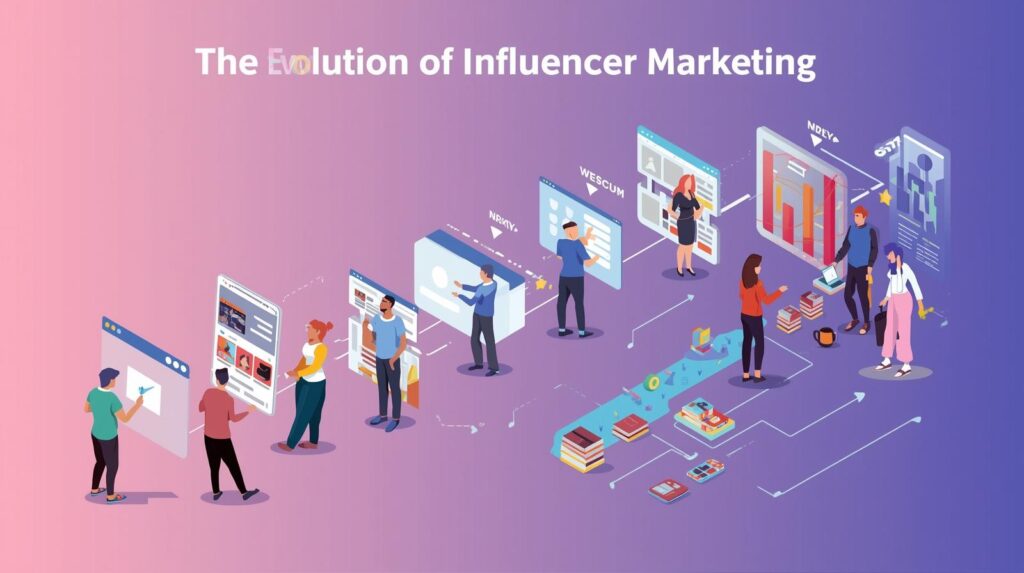
What Is Influencer Marketing?
Influencer marketing is a collaborative strategy where brands partner with individuals who have a dedicated and engaged following on social media or digital platforms like Facebook,Youtube and Instagram. These influencers—ranging from celebrities to niche experts—shape purchasing decisions through their authority, authenticity, and relationship with their audience. In today’s digital age, influencer marketing is not just a trend; it’s a powerful tool for building trust and driving action.
The 5 Key Stages in Influencer Marketing Evolution
Stage 1: Identifying the Right Influencers
Why Brand-Influencer Alignment Matters
The foundation of a successful influencer marketing strategy is choosing partners whose values and audience align with your brand. Authenticity is non-negotiable; audiences can spot forced promotions from a mile away.
Types of Influencers to Consider:
- Mega-Influencers: Digital celebrities with massive reach, ideal for broad brand exposure (but often costly).
- Local Influencers: Community-focused creators perfect for regional or hyper-local campaigns.
- Micro-Influencers: Niche experts with highly engaged, loyal followers—cost-effective and impactful for targeted campaigns.
Pro Tip: Use tools like BuzzSumo, HypeAuditor, or Upfluence to analyze influencer metrics and ensure alignment with your brand.
Stage 2: Personalizing Outreach
Influencers receive countless collaboration requests daily. To stand out:
- Research their content and mention specific posts you admire.
- Highlight mutual benefits and explain why your brand is a perfect fit for their audience.
- Avoid generic pitches—personalization builds genuine connections.
Stage 3: Aligning Content with Brand Messaging
Authenticity First
Influencers’ power lies in their trustworthiness. Ensure their content:
- Stays true to their voice while incorporating your brand message.
- Maintains consistency across platforms, reinforcing your campaign’s core message.
Example: A fitness brand partnering with a wellness influencer should focus on natural product integration, not scripted endorsements.
Stage 4: Setting Clear Goals and Understanding Your Audience
Define Your Objectives
Before launching a campaign, ask:
- Who is your target audience? (Demographics, interests, online behavior)
- What do you want to achieve? (Brand awareness, traffic, sales, engagement)
Common Goals:
- Increase brand visibility
- Drive website traffic or conversions
- Boost social media growth
- Enhance brand credibility
Action Step: Use audience insights tools (Google Analytics, Facebook Insights) to refine your influencer selection.
Stage 5: Legal Compliance and Transparency
Navigating Partnerships Ethically
- Disclosure Requirements: Ensure influencers clearly label sponsored content (e.g., #ad, #sponsored).
- Contracts and Copyright: Define usage rights, deliverables, and payment terms upfront.
- FTC Guidelines: Stay updated on regulations to avoid penalties and maintain trust.
The Future of Influencer Marketing Evolution
As influencer marketing continues to evolve, expect:
- More micro and nano-influencers for hyper-targeted campaigns.
- AI-driven influencer matching for smarter partnerships.
- Performance-based pricing models for better ROI.
Conclusion: Embrace the Influencer Marketing Evolution
By following these five stages—identifying the right influencers, personalizing outreach, aligning content, setting clear goals, and ensuring compliance—you can harness the full potential of influencer marketing in 2025. Start with a data-driven approach, prioritize authenticity, and continuously optimize based on performance insights.
Ready to elevate your brand with influencer marketing? Which stage will you focus on first? Share your thoughts in the comments! Click Here